
Core Production Steps of Carbonated Drinks
The six core processes
Custom Complete Solutions for All Types of Carbonated Beverages
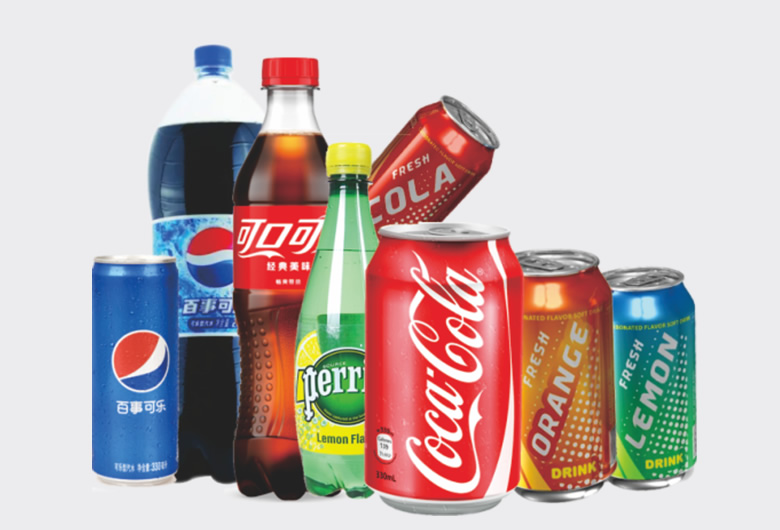
From PET bottles, glass bottles and aluminum cans to disposable large barrels, Zhonglian Machinery delivers fully customized carbonated beverage production lines to match every one of your production demands. Whether you manufacture cola, fruit-flavored soda, sparkling water or tonic drinks, our tailor-made integrated systems adopt precision isobaric filling technology to ensure stable carbonation level and minimal CO₂ loss. Covering full procedures from water treatment, syrup blending, carbonation mixing to end-of-line packaging, we support diversified packaging formats with stable, high-efficiency turnkey equipment.
Comprehensive Advantages of the Production Line
- Wide Compatibility: One production line supports PET bottles, glass bottles, aluminum cans, barrels and other packaging formats, and easily switches between cola, fruit-flavored soda and other products.
- Controllable Quality: Fully enclosed production throughout the process. Isobaric filling technology prevents carbon dioxide loss. Multi-stage filtration and sterilization ensure beverage hygiene and safety.
- User-friendly Operation: Touchscreen human-machine interface with visual parameter adjustment, easy to master even for new operators.
- Flexible Capacity: Flexible equipment configuration to match small workshops and large-scale factories, with a wide range of capacity options.
- Convenient Maintenance: The stainless steel body is easy to clean and corrosion-resistant, with universal spare parts and low later maintenance cost.
Main Packaging Formats
The production line features strong compatibility and flexible switching between packaging formats, meeting demands of supermarkets, catering, distribution and other market channels:
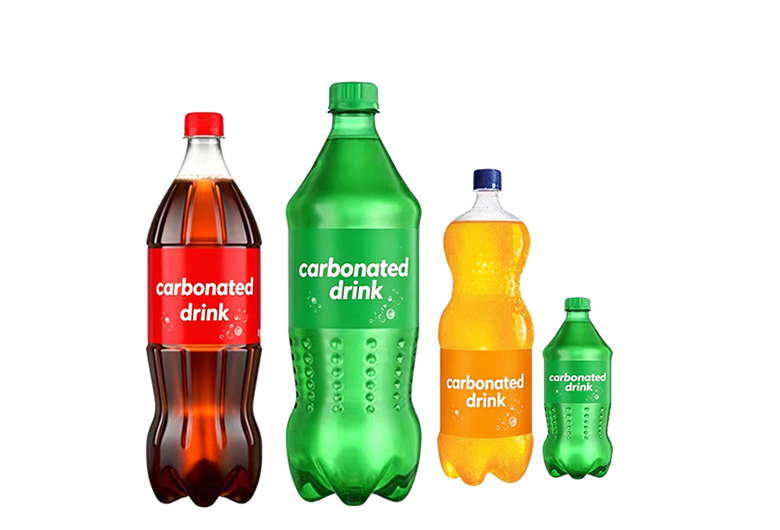
PET bottle
330ml–1.5L | Light shatterproof mass-market carbonated packaging
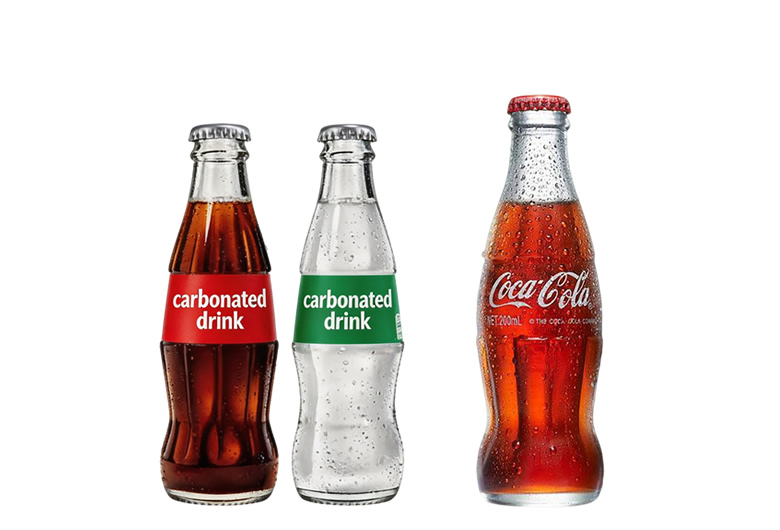
Glass Bottle
200ml–1L | Airtight premium bottle for long-lasting soda flavor
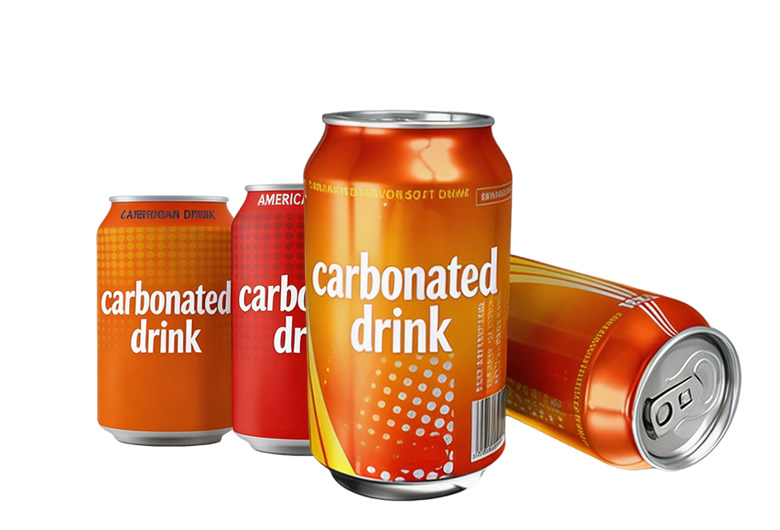
Aluminum Can
200ml–330ml | Portable pressure-resistant single-serve beverage container
- PET Bottles: The most mainstream packaging on the market, covering 330ml, 500ml, 1L, 1.5L and other standard specifications. Lightweight, shatter-resistant and easy to transport, it matches all specifications of 3-in-1 monoblock fillers with a capacity of 3,000 to 24,000 bottles per hour.
- Glass Bottles: With excellent sealing performance and superior flavor retention, it is mostly used for classic sodas and premium fruit-flavored carbonated drinks, matched with dedicated bottle washing and capping equipment and compatible with crown cap sealing technology.
- Aluminum Cans: Portable and pressure-resistant, mainly for small single-serve beverages. Matched with high-speed can filling and seaming units, it features high automation and is suitable for high-volume standardized production.
Carbonated Beverage Production Line & Production Process Guide
Carbonated beverages (sparkling sodas), represented by cola, lemon-lime soda and fruit-flavored sparkling drinks, deliver a distinctive crisp taste from carbon dioxide dissolved in liquid. Zhonglian Machinery supplies fully automatic carbonated beverage production lines integrating water treatment, batching, carbonation, filling and packaging. With mature technology and stable operation, the lines are compatible with multiple packaging formats and cover capacities from small-batch to large-scale manufacturing, widely applied in mass production of various sparkling beverages.
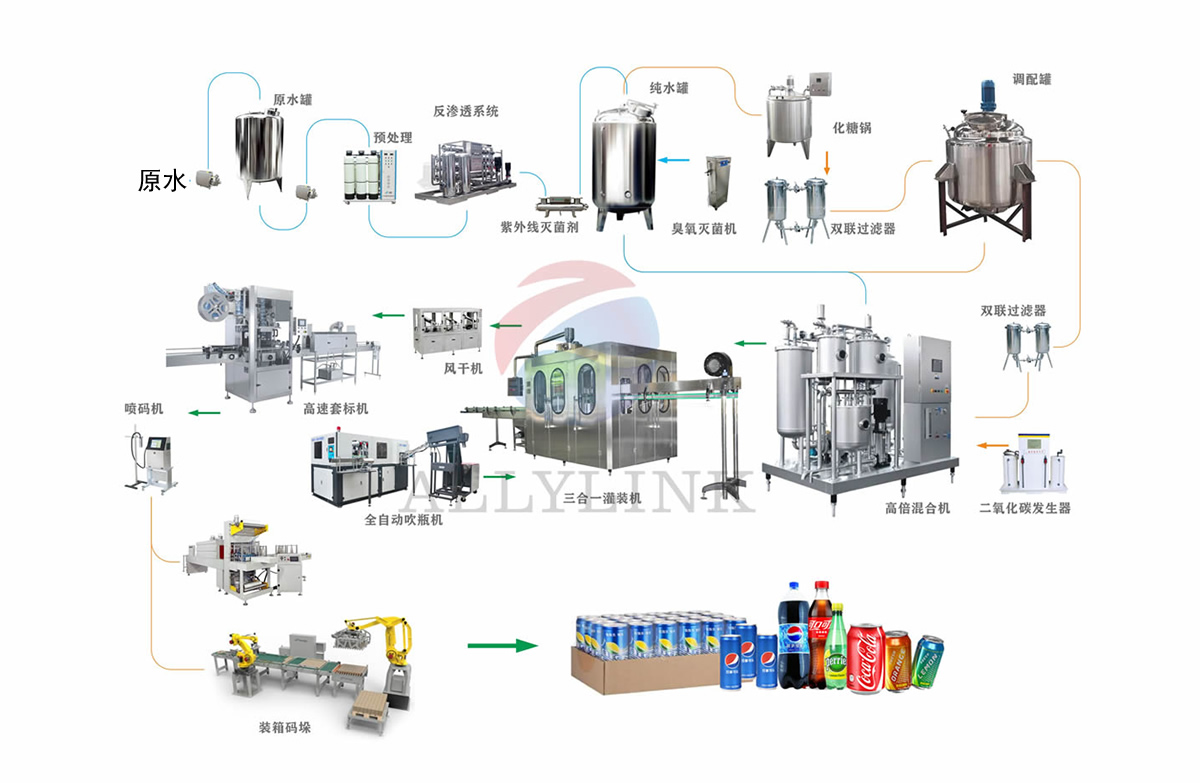
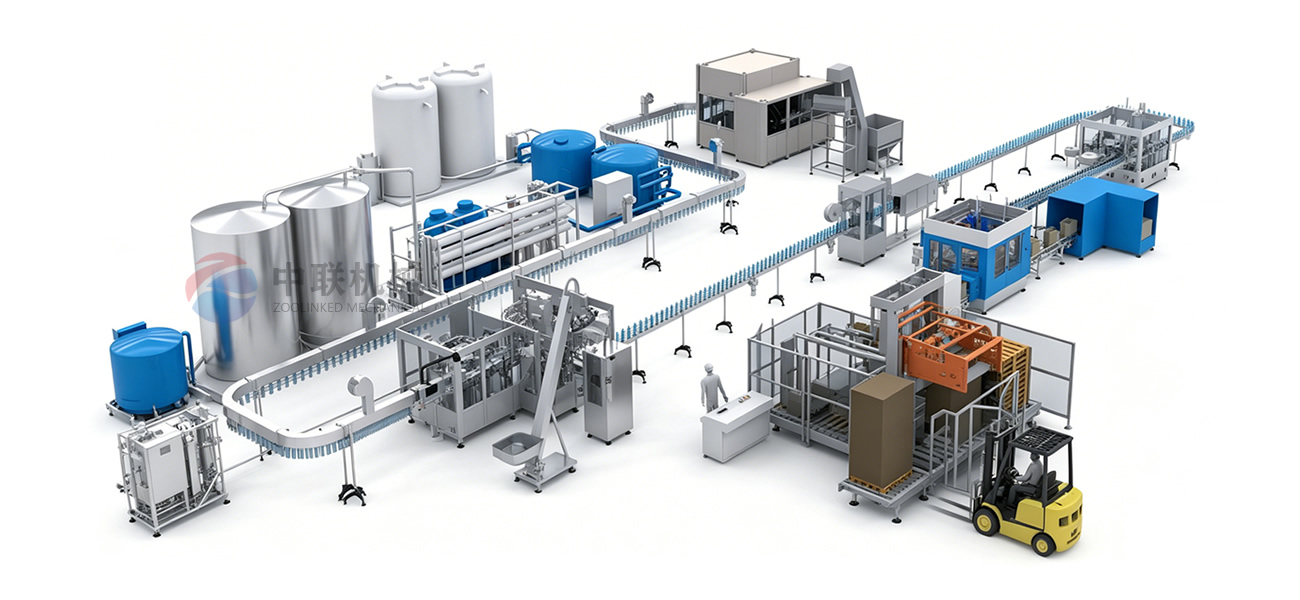
Equipment flow chart for carbonated beverage production line
I. Core Production Process
The production line adopts the industry-standard single-filling process with compact workflow and full automatic control. Six core procedures ensure stable beverage flavor, carbonation level and product quality:
1. Raw Water Treatment
Raw water goes through multi-stage purification including quartz sand filtration, activated carbon filtration, precision filtration, primary reverse osmosis and UV sterilization to remove sediment, residual chlorine, heavy metals and microorganisms. The water is then deoxygenated and cooled to 0–3°C, as low temperature greatly improves carbon dioxide solubility — the foundation of sufficient bubbles and authentic taste. Treated aseptic water is stored in dedicated tanks for subsequent use.
2. Flavor Syrup Preparation
White granulated sugar is dissolved in a sugar melting kettle, filtered to remove impurities, and then delivered to blending tanks. Citric acid, flavor essences, colorants and other additives are added in sequence per product formula, and mixed into standardized flavor syrup. The syrup undergoes fine filtration again to eliminate fine residues and ensure beverage clarity. The blending system supports one-click formula switching for production of multiple carbonated beverage flavors.
3. Carbonation Mixing (Core Process)
Aseptic purified water and flavor syrup are delivered to the beverage carbonator in precise proportions. With continuous temperature control by cooling equipment, purified food-grade CO₂ is injected under high pressure to fully dissolve into the liquid, with strict control over carbonation level. This procedure determines the taste of carbonated beverages. The equipment allows flexible adjustment of mixing pressure and mixing ratio based on product requirements.
4. Empty Bottle Preparation
Corresponding equipment is configured according to packaging specifications, covering bottle blowing from preforms, bottle sorting & conveying, high-pressure internal & external rinsing, draining and disinfection to thoroughly remove stains and microorganisms in containers. Manual bottle feeding is suitable for low-capacity lines, while fully automatic bottle unscramblers are recommended for capacities above 4,000 bottles per hour to effectively reduce labor costs and ensure every container meets cleanliness standards.
5. Isobaric Filling & Sealing
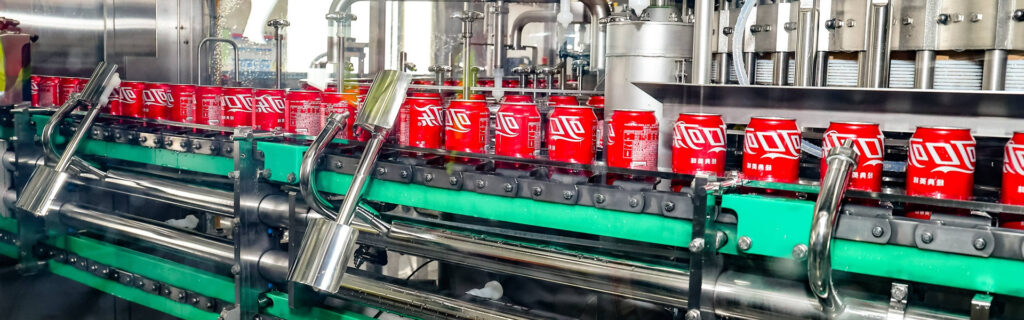
As the core station of the whole line, it adopts the isobaric filling principle dedicated to carbonated beverages: CO₂ is first filled into bottles to equalize pressure between bottles and the supply tank before filling, so as to avoid CO₂ loss and liquid splashing during filling. Immediately after filling, screw capping or crown capping is performed via a magnetic constant-torque capping device, which ensures tight sealing without damaging caps and locks in gas and flavor. Fillers are available in linear and rotary structures, with single-head or multi-head models selectable based on capacity demand.
6. End-of-Line Packaging
Filled semi-finished products enter the downstream packaging process: first, light inspection combining manual and machine screening rejects defective products with abnormal liquid level, leaking caps or impurities; then bottles are warmed to remove condensation and dried with high-pressure air; after that, date coding (marking production date and batch number) and sleeve labeling / self-adhesive labeling are completed in sequence; finally, products are grouped and packed via shrink wrappers and case packers, and stored in the warehouse after passing quality inspection.
Main Equipment & Performance Features
The entire production line is mainly made of food-grade stainless steel, with corrosion resistance, no sanitary dead corners and easy cleaning. Core electrical and pneumatic components are sourced from internationally renowned brands. Equipped with a PLC control system and touchscreen operation interface, it achieves a high degree of automation. It is also fitted with comprehensive safety devices including overload protection, automatic stop upon bottle jamming and cap shortage detection for safe and stable equipment operation.
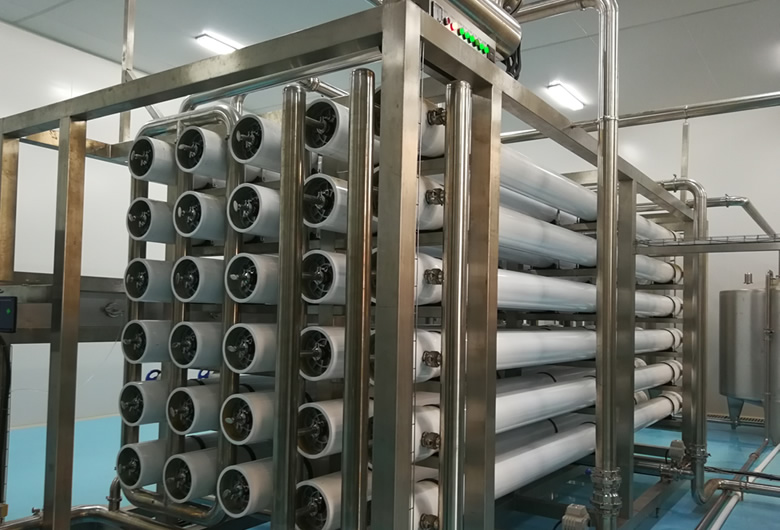
It consists of quartz sand filters, activated carbon filters, sodium ion filters, precision filters, primary reverse osmosis units, UV sterilizers and aseptic water storage tanks. The system stably produces pure water meeting carbonated beverage production standards, effectively protects downstream filling equipment and extends the service life of the whole line.
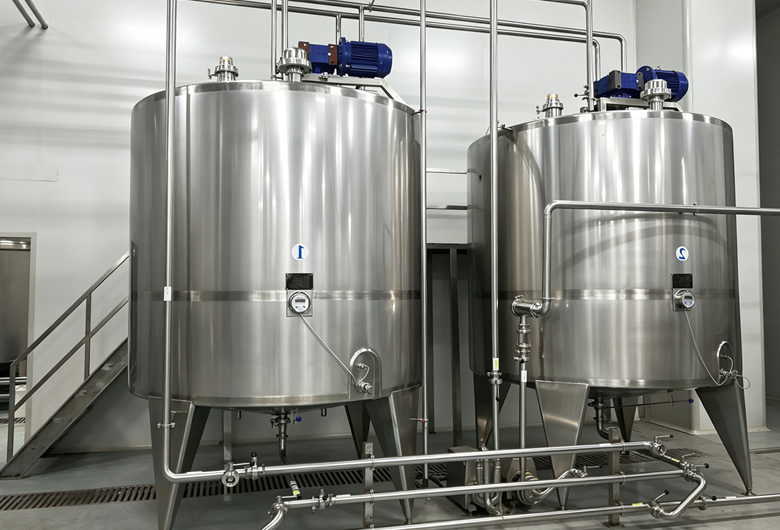
It consists of sugar melting kettles, blending tanks, syrup filters, duplex filters and CO₂ purifiers. The system completes sugar dissolving, formula batching, impurity filtration and gas purification, and delivers standardized flavor syrup for the subsequent carbonation process.
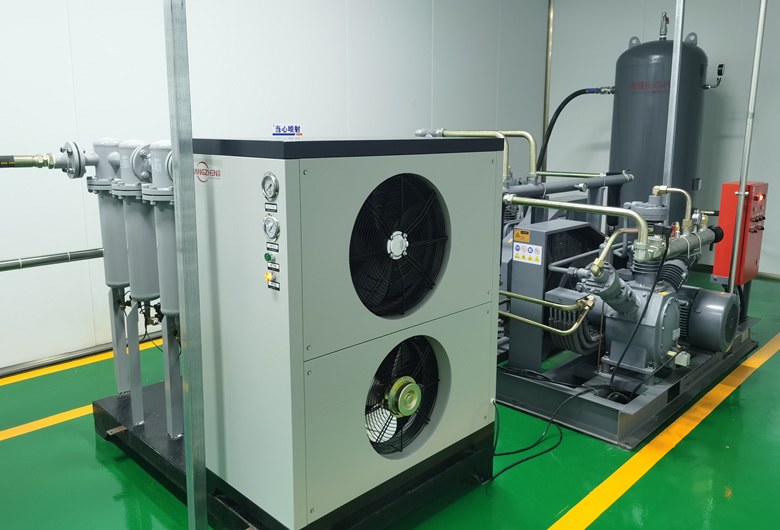
It consists of an industrial chiller, plate heat exchanger and beverage carbonator. It cools materials to the process-required temperature and achieves precise mixing of water, syrup and carbon dioxide, adapting to the production of various carbonated beverages.
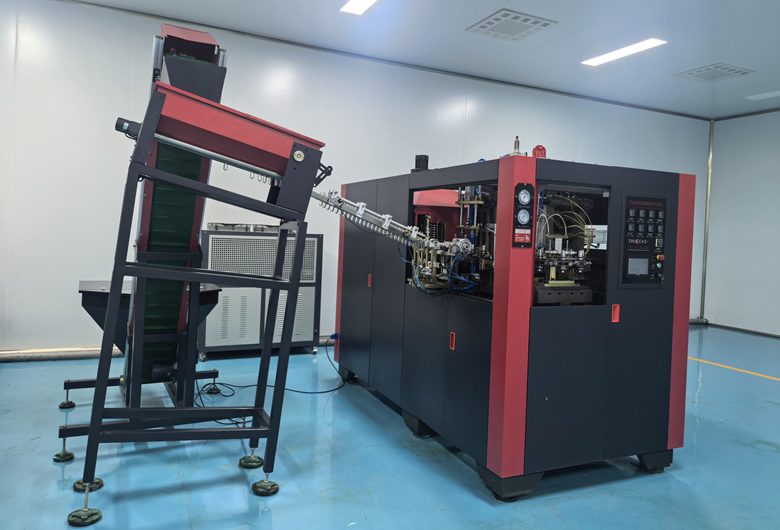
It includes fully automatic / semi-automatic bottle blowers, bottle unscramblers and bottle rinsing & spraying equipment. It realizes integrated bottle forming, sorting and cleaning, and is compatible with various bottle shapes and container specifications.
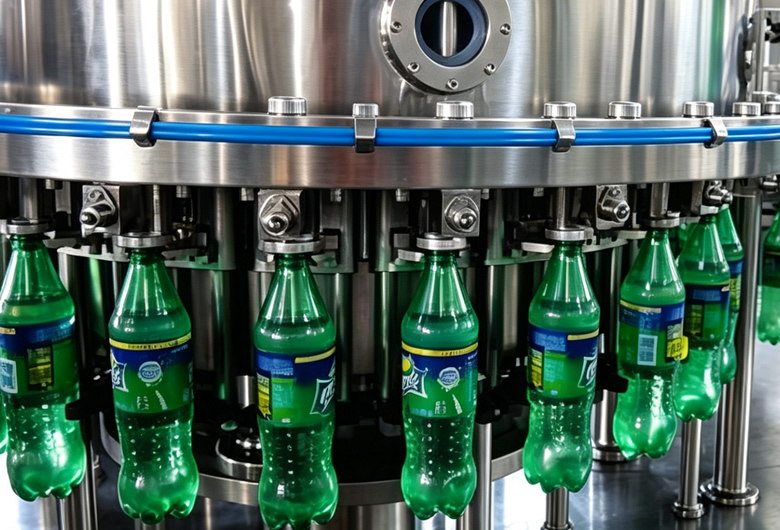
It integrates bottle rinsing, isobaric filling and capping, with linear and rotary structures available in multiple configurable models. It is equipped with high-precision filling valves and magnetic constant-torque capping heads, and supports quick bottle format changeover for stable, efficient production.
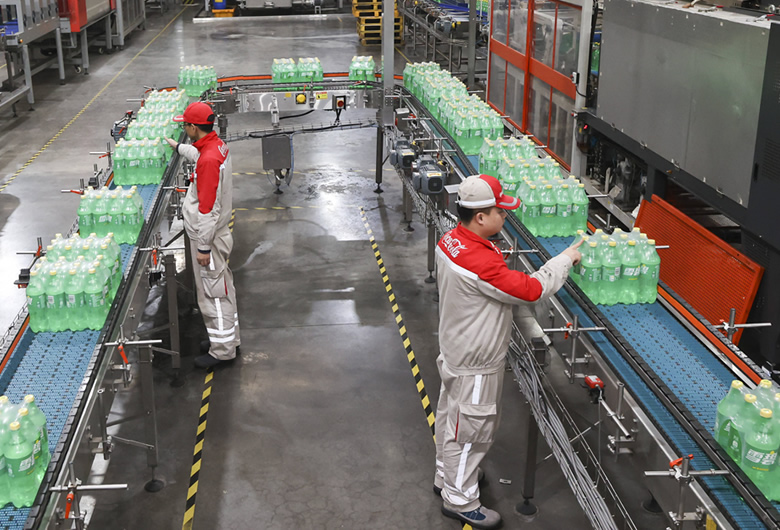
It includes light inspection equipment, bottle air dryers, inkjet / laser coders, sleeve labeling machines, fully automatic shrink wrappers and case packers. The fully automatic workflow ensures neat packaging and clear product identification for finished carbonated beverages.
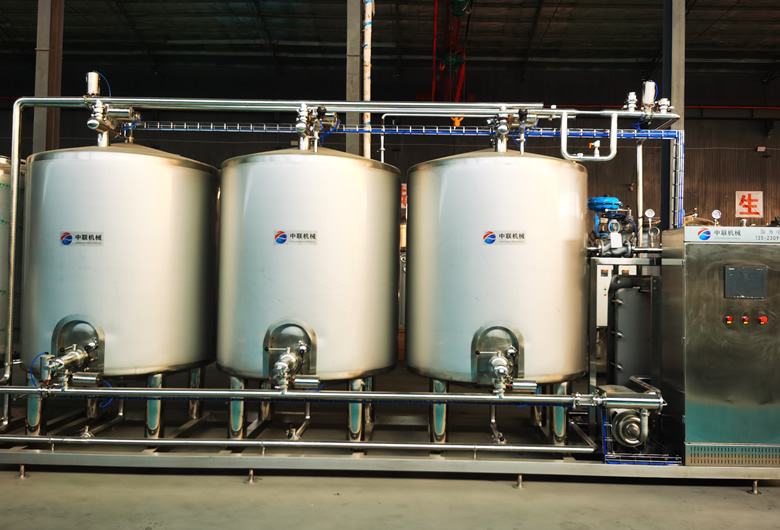
It performs full cleaning for all pipelines, tanks and equipment of the production line without disassembly, with automatic dosing and cycle control. It strictly meets the sanitary standards of the food industry and maintains long-term hygienic production conditions.
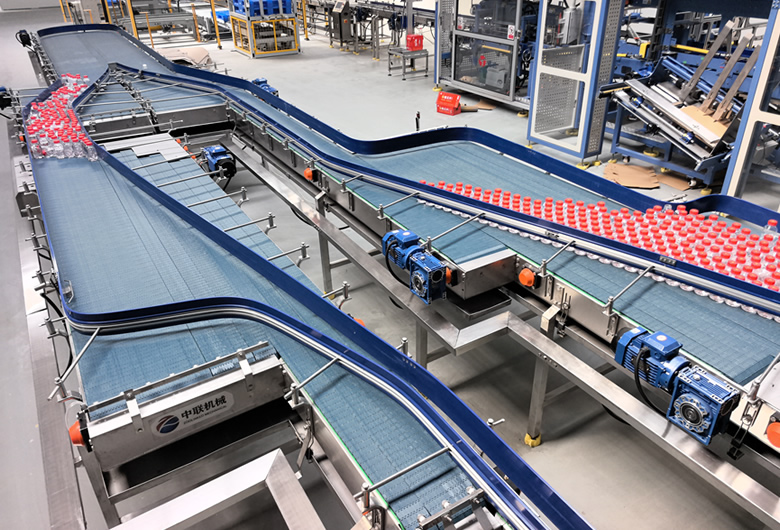
It includes air conveyors for empty bottles and product conveyors for semi-finished & finished products, covering transfer between all production sections. It realizes seamless and stable material delivery between processes and improves the overall operating efficiency of the line.
Carbonated Beverage Production Line Investment Reference Table
Zhonglian Equipment | Turnkey Project Evaluation Reference
| Package Type | Line Specification | Estimated Investment Budget (USD) | Hourly Production Capacity | Daily Output (8-hour shift) | Number of Operators Required | Estimated Payback Period |
| PET Bottled | Small-scale | 30,000 – 45,000 | 2,000 bottles | 16,000 bottles | 2 – 3 persons | 1.5 – 2.0 years |
| Medium-scale | 80,000 – 120,000 | 6,000 bottles | 48,000 bottles | 4 – 6 persons | 2.0 – 2.5 years | |
| Large-scale | 180,000 – 260,000 | 12,000 bottles | 96,000 bottles | 7 – 10 persons | 2.5 – 3.0 years | |
| Glass Bottled | Small-scale | 45,000 – 65,000 | 2,000 bottles | 16,000 bottles | 3 – 4 persons | 1.8 – 2.3 years |
| Medium-scale | 110,000 – 160,000 | 6,000 bottles | 48,000 bottles | 5 – 7 persons | 2.2 – 2.8 years | |
| Large-scale | 220,000 – 320,000 | 12,000 bottles | 96,000 bottles | 8 – 11 persons | 2.8 – 3.5 years | |
| Aluminum Can | Small-scale | 50,000 – 70,000 | 6,000 cans | 48,000 cans | 3 – 4 persons | 1.6 – 2.2 years |
| Medium-scale | 100,000 – 150,000 | 12,000 cans | 96,000 cans | 5 – 7 persons | 2.0 – 2.6 years | |
| Large-scale | 200,000 – 280,000 | 24,000 cans | 192,000 cans | 8 – 10 persons | 2.5 – 3.2 years | |
| Tinplate Can | Small-scale | 60,000 – 85,000 | 4,000 cans | 32,000 cans | 3 – 5 persons | 1.8 – 2.4 years |
| Medium-scale | 120,000 – 180,000 | 10,000 cans | 80,000 cans | 6 – 8 persons | 2.3 – 3.0 years | |
| Large-scale | 230,000 – 320,000 | 20,000 cans | 160,000 cans | 9 – 12 persons | 2.8 – 3.6 years |
RELATED CASES
View All